
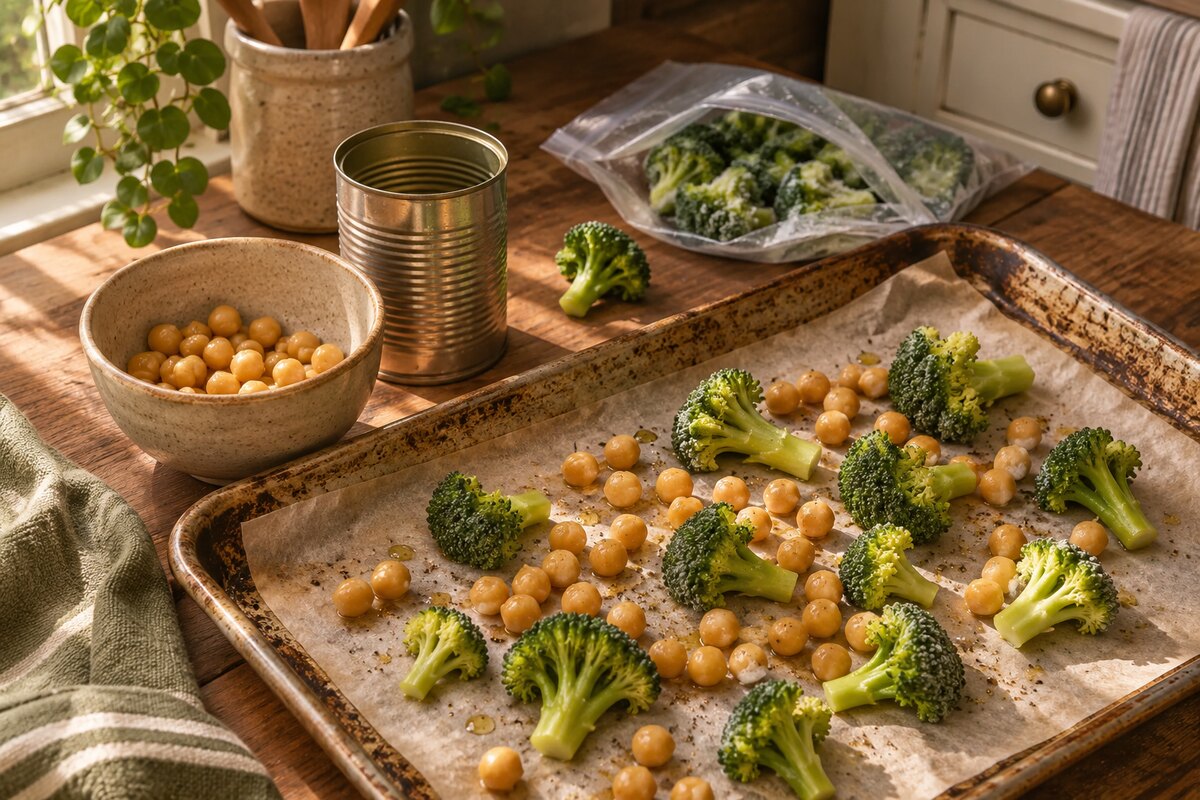
You’re in the grocery with ten minutes to get everything for supper. Into the cart go a bag of plain frozen broccoli, a can of chickpeas, and a box of cereal for tomorrow morning. You’ve heard about the health benefits of eating fewer ultra-processed foods. How can you tell which items in your cart count?
Can Eating Fewer Ultra-Processed Foods Help With Weight Loss?
In one small study, adults could eat as much as they wanted from the meals they were served. During two weeks on the ultra-processed menu, they ate about 500 more calories per day and gained about two pounds on average. During two weeks on the minimally processed menu, they lost about two pounds.
Another trial asked a slightly different question. What if both menus followed the same nutrition guidelines? Participants lost weight on both. Over eight weeks, they lost about four pounds on average on the minimally processed menu and about two pounds on the ultra-processed one. Together, the studies suggest that making less processed foods a bigger part of your regular diet may help with weight loss.
Where Do the Broccoli and Chickpeas Fit?
Both are on the simpler end of processing. Freezing helps the broccoli keep longer, and canning gives you chickpeas that are already cooked. Plain frozen broccoli is minimally processed. When chickpeas are canned with water and salt, they fall into the ordinary processed category and can still be a nutritious choice. If you’re watching sodium, choose a no-salt-added can or drain and rinse the chickpeas to remove some of the salt.
The distinction is in what the processing does. Freezing and canning preserve a food you already recognize. With an ultra-processed product, manufacturers may add ingredients specifically to create a flavor, color, or texture. That’s where the cereal box comes in.
What to Look For on the Cereal Box
A package of plain rolled oats is a minimally processed choice. On a box of flavored cereal, look for ingredients like artificial flavor, added colors like Red 40, or emulsifiers like soy lecithin, which helps ingredients blend. Those are clues that the cereal is ultra-processed.
If you’re choosing between two cereals, the Nutrition Facts panel helps with a second decision. Compare equal serving sizes and look for more fiber and less added sugar. Those numbers tell you about the cereal’s nutrition. The ingredient list tells you more about how it was made.
If weight loss is one of your goals, breakfast is an easy place to start. Try plain oats in place of a flavored cereal you eat most mornings. And the broccoli and chickpeas? They can stay in the cart. It’s the cereal box that has some explaining to do.
Comments
Loading comments…